



Introduction
You pull out your patio cushions after a week of rain, only to discover black spots and that unmistakable musty smell. Sound familiar? Mold on patio cushions is one of the most common frustrations for homeowners, even those who've invested in premium "outdoor-rated" materials.
Beyond ruining the look of your outdoor space, moldy outdoor cushions pose real health concerns—triggering allergies, respiratory issues, and significantly shortening your cushions' lifespan. This guide reveals the 10 most common causes of mold growth, proven prevention strategies, and when to call in professional help. Understanding what makes outdoor cushions vulnerable is your first step toward a cleaner, healthier backyard sanctuary.
Do Outdoor Cushions Get Moldy? Understanding the Problem
Yes, even "weather-resistant" cushions are highly vulnerable to mold. Despite marketing claims, outdoor cushions face constant exposure to moisture from rain, humidity, morning dew, and even pool splashes. These conditions create the perfect breeding ground for mold spores already present in outdoor air.
Visual identification is straightforward. Look for black, green, or gray spots or patches on fabric surfaces. A musty, earthy odor is often your first warning sign, followed by visible discoloration or staining. Advanced mold growth appears powdery or fuzzy to the touch.
Health implications matter too. Mold exposure can trigger allergy symptoms like sneezing, runny nose, and eye irritation. For those with respiratory sensitivities, prolonged exposure may worsen asthma or cause breathing difficulties.
Not all mold is equal. Surface mold affects only the exterior fabric and responds well to DIY cleaning. Deep-embedded mold penetrates into foam cores and cushion fill, requiring professional extraction to fully eliminate spores and prevent recurrence.
10 Common Causes of Mold on Patio Cushions (And How to Stop Each One)
Most mold problems stem from preventable causes. Addressing these 10 culprits will dramatically reduce your risk of moldy outdoor cushions.
1. Rain, Humidity, and Morning Dew
The problem: Moisture trapped in foam and fill creates an ideal breeding ground for mold spores to multiply rapidly.
Prevention tips:
- Use waterproof, breathable cushion covers designed specifically for outdoor use
- Elevate cushions off solid surfaces to allow airflow underneath
- Bring cushions indoors during rain forecasts or extended wet periods
Quick tip: Water-resistant doesn't mean waterproof—know the difference when shopping for deep seat cushions.
2. Poor Ventilation and Air Circulation
The problem: Stacking cushions flat or storing them against walls limits critical airflow that prevents moisture buildup.
Prevention tips:
- Stand cushions upright or on their sides after rain to promote faster drying
- Never store in sealed plastic containers that trap moisture
- Use ventilated storage boxes with mesh panels for off-season storage
3. Dirt, Pollen, and Organic Debris
The problem: Organic material combined with moisture becomes fuel for mold growth and accelerates deterioration.
Prevention tips:
- Shake out cushions weekly to remove surface debris and pollen
- Vacuum seams and crevices monthly to remove embedded dirt
- Hose off cushions quarterly and sun-dry completely before returning to use
4. Storing Cushions While Still Damp
The problem: Mildew develops within 24-48 hours when damp cushions are stored in dark, enclosed spaces.
Prevention tips:
-
Always ensure cushions are 100% dry before storage
-
Test by pressing your hand firmly—cushions should feel bone-dry throughout
-
Consider professional off-season storage services with climate control for premium cushions
5. Food and Beverage Spills
The problem: Sugars and proteins from spills attract mold and create nutrient-rich environments for rapid growth.
Prevention tips:
- Blot spills immediately—never rub, which pushes liquids deeper into fabric
- Spot-clean with a mild solution of water and gentle soap
- Schedule deep cleaning after outdoor parties or gatherings
6. Low-Quality Fabric or Cushion Fill
The problem: Basic foam and untreated fabrics hold moisture significantly longer than quality alternatives.
Prevention tips:
- Choose quick-drying foam cores designed for outdoor exposure
- Look for solution-dyed acrylic or olefin fabrics with built-in mold resistance
- Avoid generic "indoor/outdoor" labels without specific mold-resistance claims
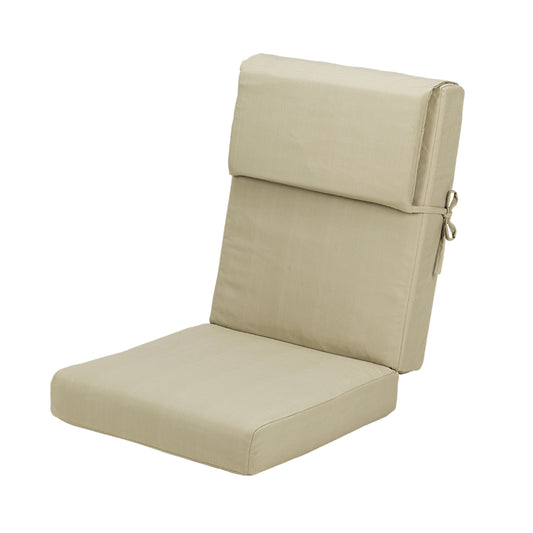
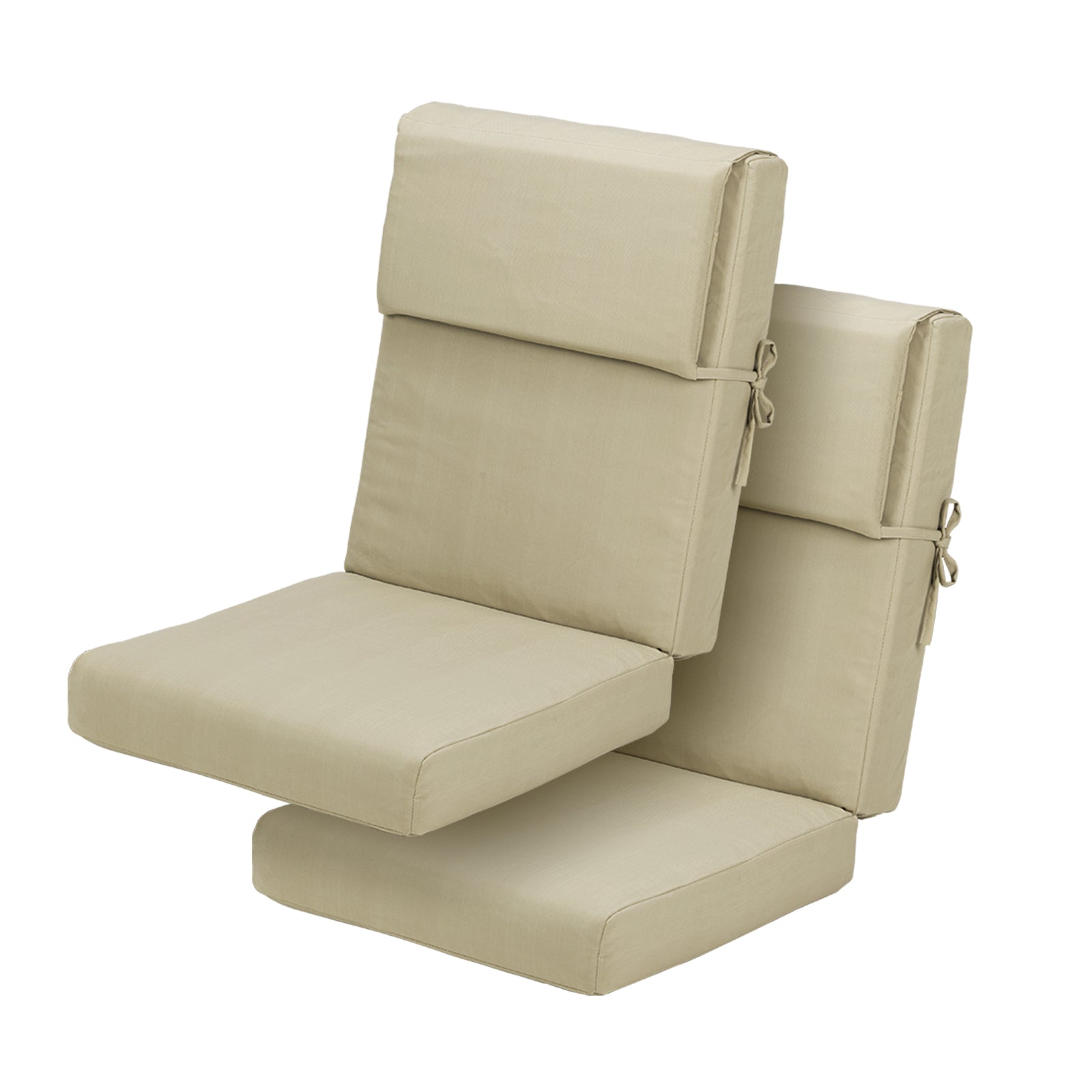
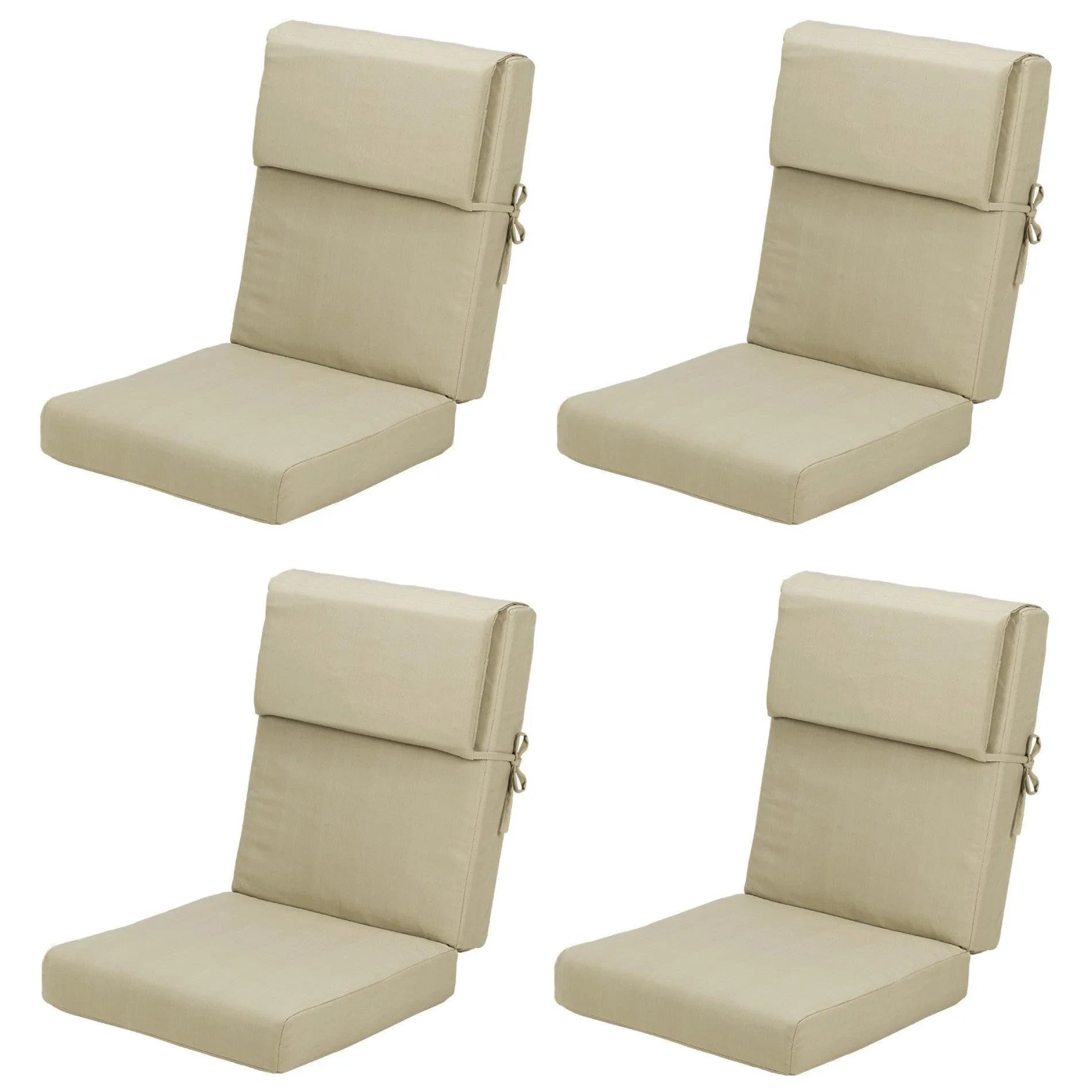
When shopping for high-back chair cushions or bench cushions, prioritize quality materials from Aoodor Shop that include mold-resistant treatments.
7. Proximity to Gardens, Planters, or Sprinklers
The problem: Constant moisture exposure combined with reduced sunlight creates optimal conditions for mold.
Prevention tips:
- Maintain at least a 2-foot gap between cushions and garden beds
- Redirect sprinkler spray away from seating areas
- Trim overhanging plants that block sunlight and airflow
8. Using Harsh Cleaners or Neglecting Maintenance
The problem: Bleach strips protective fabric coatings, while neglect allows mold-feeding residue to accumulate.
Prevention tips:
- Clean seasonally with eco-friendly, fabric-safe solutions
- Avoid bleach unless explicitly approved by your cushion manufacturer
- Schedule annual professional deep cleaning for valuable cushions
9. Leaving Cushions Wet After Pool Use or Rain
The problem: Forgotten damp cushions can develop visible mold growth overnight in warm, humid conditions.
Prevention tips:
- Shake off excess water immediately after exposure
- Stand cushions upright in sunny spots to dry completely
- Use absorbent towels as barriers during pool time to protect chaise lounge cushions
10. Damaged or Poorly-Fitting Cushion Covers
The problem: Tears, gaps, and loose-fitting covers allow water infiltration directly into cushion cores.
Prevention tips:
- Use properly fitted, zippered, breathable covers
- Replace worn or damaged covers promptly before water damage occurs
- Inspect covers monthly for tears, broken zippers, or weak seams
The Best Prevention Strategy: Breathable, Waterproof Covers
Quality covers are your #1 defense against mold on patio cushions, creating a protective barrier against all 10 causes simultaneously.
What to look for:
- Breathable waterproof materials that allow moisture vapor to escape while blocking liquid water
- Proper fit with no gaps or areas where water can pool
- UV-resistant construction to prevent sun-related deterioration
When to use: Cover cushions whenever they're not actively in use—even during the day if rain is forecasted.
Understanding the difference between storage covers and daily-use covers matters. Storage covers are heavier-duty for long-term protection, while daily-use covers balance protection with easy on-off access. As outdoor fabric care specialists, we consistently see far fewer mold problems from customers who use quality covers throughout the season.
DIY Cleaning vs. Professional Deep Cleaning: When to Call the Experts
When DIY Works:
Surface mold visible only on fabric exteriors responds well to home treatment. If growth is mild and recent with no household health sensitivities, try a white vinegar solution: Mix equal parts white vinegar and water, spray lightly, scrub gently, and sun-dry completely.
When Professional Cleaning is Necessary:
Call experts when mold has penetrated into foam cores, multiple cushions are affected, or musty odors persist after DIY attempts. Valuable or specialty fabrics like Sunbrella require professional care, as do situations where family members have allergies or respiratory concerns.
Professional Advantages:
Deep extraction equipment removes embedded spores that surface cleaning can't reach. Professionals apply fabric-safe mold inhibitors that prevent recurrence and use proper drying techniques that eliminate moisture completely. Many services also offer off-season storage in climate-controlled facilities.
Schedule a professional cushion evaluation if you're unsure about the extent of mold growth—early intervention prevents costly cushion replacement.
Maintaining Mold-Free Patio Cushions: Your Seasonal Checklist
Spring:
- Inspect stored cushions thoroughly before seasonal use
- Apply fabric protector spray to add water-repellent layer
- Clean any off-season mold growth immediately
Summer:
- Perform weekly shake-outs and visual checks for early mold signs
- Monthly deep spot-cleaning of high-traffic cushions
- Use covers during extended rain periods
Fall:
- Complete pre-winter deep cleaning (DIY or professional)
- Treat with mold inhibitor before storage
- Prepare storage area ensuring it's dry and ventilated
Winter:
- Store in climate-controlled space if possible
- Mid-season moisture check prevents surprise spring mold
- Consider professional storage service for Adirondack chair cushions and other premium pieces
Frequently Asked Questions
Q: What's the best color for outdoor patio cushions that won't show dirt or mold?
Choosing the right color significantly impacts maintenance. Medium tones like navy, charcoal, and sage green hide dirt better than pure white or black. Patterns also camouflage minor staining between cleanings. For comprehensive guidance on color selection that balances aesthetics with practicality, explore this complete guide to outdoor furniture cushion colors.
Q: What are the best materials for outdoor cushions that resist mold?
Material choice directly affects mold resistance. Solution-dyed acrylic, Sunbrella fabric, and olefin rank highest for mold resistance, while basic cotton and polyester absorb moisture more readily. Foam cores should be quick-drying with antimicrobial treatments. Check out this ultimate ranking of outdoor cushion materials for detailed comparisons.
Q: What should I look for when buying mold-resistant outdoor cushions?
Beyond mold-resistant fabric and quick-drying fill, consider UV protection, water-repellent coatings, and quality construction with reinforced seams. Proper sizing ensures covers fit snugly without gaps. This comprehensive outdoor cushion buying guide walks through every consideration from materials to maintenance requirements.
Q: Which patio cushions offer the best combination of durability and style?
The most durable cushions combine high-performance fabrics, quality foam cores, and reinforced construction—without sacrificing design appeal. Premium brands now offer both weather resistance and sophisticated patterns. For 2025's top recommendations balancing longevity with aesthetics, see this guide to the best patio cushions for durability and style.
Conclusion: Prevention Beats Removal Every Time
Moldy outdoor cushions are preventable when you understand and address the 10 common causes outlined in this guide. You now know exactly what creates mold-friendly conditions and how to eliminate those risks before problems develop.
Priority actions for immediate impact:
- Invest in quality breathable covers for all outdoor cushions
- Never store damp cushions—always ensure complete drying
- Schedule annual professional deep cleaning for long-term protection
As outdoor fabric care specialists, we've consistently seen that proactive maintenance costs far less than premature cushion replacement. Questions about whether your cushions need professional attention? Contact our team for a free assessment and keep your outdoor space fresh, clean, and inviting all season long.

