



Key Takeaways
- Cedar wood offers the best balance of cost, durability (15-20 years), and food safety for most home gardeners
- Galvanized metal beds provide lifetime durability (30+ years) and are worth the investment for permanent gardens
- Modern pressure-treated wood is EPA-approved safe but not organic-certified—ideal for budget-conscious conventional gardens
- Stone/concrete creates generational gardens but requires professional installation and significant investment
- Hybrid approaches combining materials often deliver superior results compared to single-material solutions
Choosing the best materials for raised garden beds isn't just about budget—it's about investing in a structure that will support your family's garden for years to come. The wrong choice means rebuilding in 3-5 years, while the right material can last decades. After evaluating dozens of raised garden bed installations, I've learned there's no universal "perfect" material. Your ideal choice depends on your budget, aesthetic preferences, and long-term gardening goals.
This guide breaks down the three main raised bed material categories—wood, metal, and stone—plus surprising alternatives that work for specific situations. Whether you're growing vegetables for your family or creating a beautiful landscape feature, understanding material properties helps you make a confident decision that matches your garden's needs.

Why Your Raised Bed Material Choice Matters
Material selection impacts far more than initial cost. Durability determines whether you'll rebuild every few years or enjoy decades of harvests. Food safety concerns arise with certain treated materials that may leach chemicals into edible crops. Aesthetic integration with your landscape affects curb appeal and property value. Different materials also influence soil temperature, drainage patterns, and accessibility for gardeners with mobility considerations.
The stakes are real: cheap pine boards might save $100 upfront but require complete replacement every 3-5 years. Meanwhile, investing in quality cedar or metal means building once and gardening for decades. Let's break down the three main categories to help you choose wisely.
Wood Raised Garden Beds: The Classic Choice
Cedar: The Gold Standard for Wooden Beds
Cedar remains the top wood recommendation for raised garden bed materials. Its natural oils provide exceptional rot and pest resistance without chemical treatments, making it completely food-safe for organic gardens. Quality cedar beds last 15-20+ years with minimal maintenance, aging gracefully with a silvery patina that many gardeners love.
Pros: Naturally resistant to decay, USDA organic approved, beautiful aesthetic, readily available at most lumber yards, DIY-friendly for weekend projects
Cons: Higher upfront investment ($3-5 per linear foot), will eventually decompose, requires 2-inch thick boards for proper durability (avoid thin 1-inch kits that warp quickly)
Expert tip: Use 2x6 or 2x8 cedar planks rather than 1x material. The extra thickness provides structural integrity and extends lifespan significantly. For a family garden, budget around $150-250 for materials to build a 4x8 foot bed.

Other Hardwoods: Redwood, Cypress, and Hemlock
Regional availability makes these alternatives worth considering. Redwood offers similar rot resistance to cedar and performs exceptionally well in western climates. Cypress provides excellent durability in southern regions. Hemlock works for shorter-term beds (10-12 years) at lower cost. When possible, choose locally-sourced hardwoods to reduce environmental impact and support regional suppliers. Prices typically match cedar, so selection often comes down to what's readily available in your area.
Pressure-Treated Wood: Safe or Not?
This remains gardening's most controversial material choice. Modern pressure-treated lumber (manufactured after 2003) no longer contains arsenic-based preservatives. Current copper-based treatments are EPA-approved for food garden use and considered safe by regulatory standards. However, pressure-treated wood isn't approved for USDA organic certification.
Best for: Budget-conscious gardeners growing conventional vegetables, ornamental gardens, or situations where organic certification doesn't matter
Reality check: If you want organic certification, stick with untreated cedar. For conventional gardens prioritizing affordability (half the cost of cedar), modern pressure-treated wood is a practical choice that lasts 10-15 years.

Metal Raised Garden Beds: Modern Durability
Galvanized Steel: The Lifetime Investment
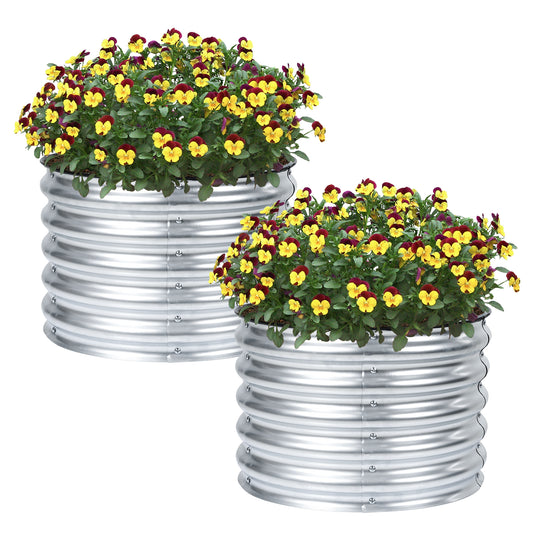
Galvanized steel beds represent the ultimate "buy once, use forever" solution. These virtually indestructible structures last 30+ years—often outliving the gardener who installs them. The thin metal profile maximizes growing space while the material warms soil faster in spring, extending your growing season by 2-3 weeks in northern climates.
Pros: Lifetime durability, zero maintenance, food-safe zinc coating, available in multiple heights (12", 24", 32") for accessibility needs, recyclable at end of life
Cons: Higher initial cost ($200-500 for a 4x8 bed), heavy when assembled (requires multiple people to move), limited dimension customization, industrial aesthetic doesn't suit all landscapes
Popular brands include Vego, Vegaga, and DIY options using corrugated roofing panels with wooden corner posts. The hybrid approach—galvanized panels with cedar frames—combines metal's longevity with wood's warmth at a more accessible price point.

Corten and Powder-Coated Steel
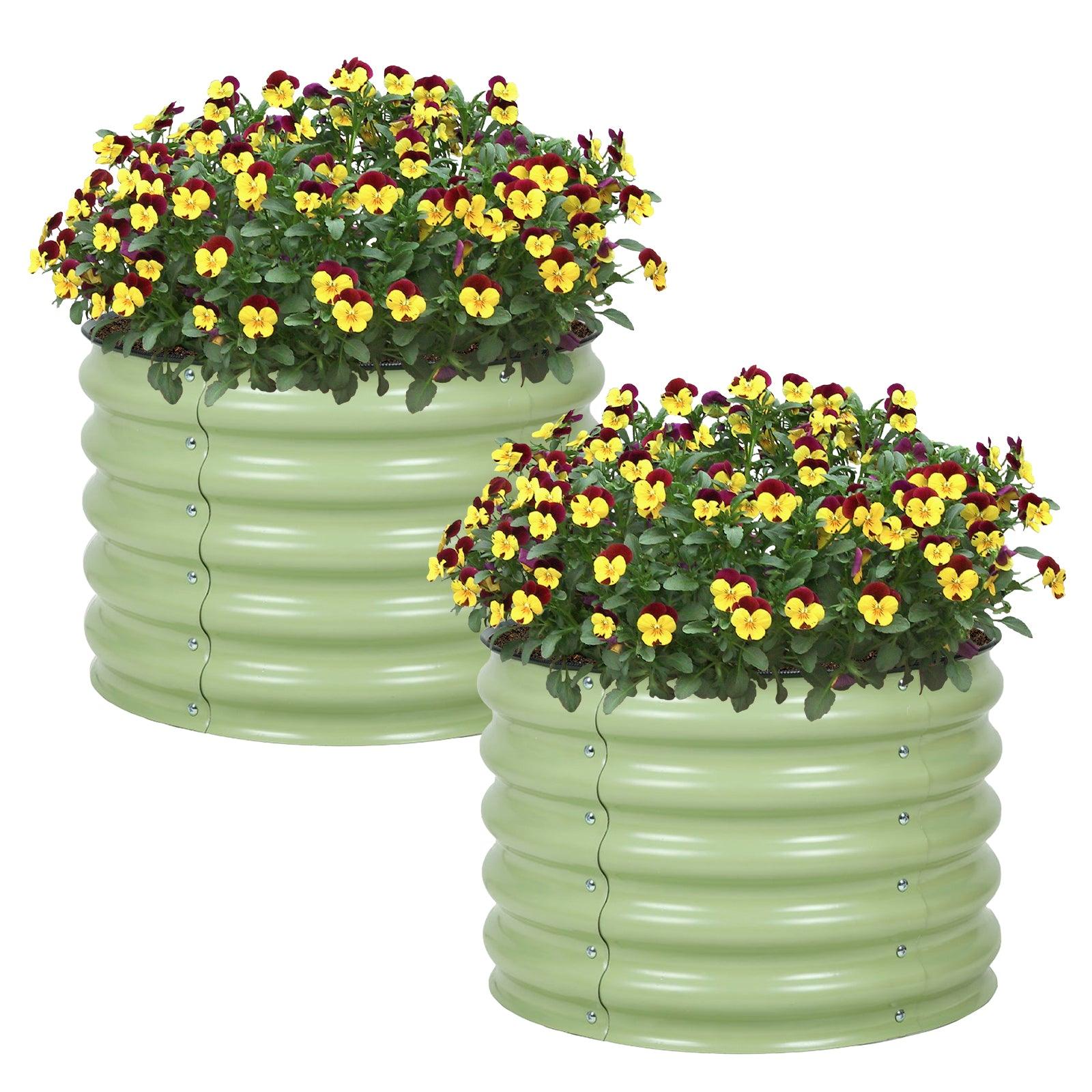
For design-conscious gardeners, Corten steel develops a beautiful weathered rust patina while remaining structurally sound for decades. Powder-coated options offer color customization to match your home's exterior. Both materials provide exceptional durability and 100% recyclability. Expect premium pricing ($400-800 for standard beds), but the architectural statement they make can justify the investment in high-visibility landscapes.
Stone and Concrete Raised Beds: Built to Last Generations
Stone and concrete create truly permanent gardens that can be passed down through generations. These materials offer unmatched aesthetic appeal—from cottage-core stacked fieldstone to modern poured concrete—while providing complete food safety with zero chemical concerns.
Material options: Natural stacked stone, new bricks, concrete blocks, poured concrete walls with rebar reinforcement
Pros: Literally lasts forever, stunning visual impact, locally sourceable in most regions, achieves significant height for wheelchair accessibility
Cons: Most expensive option ($500-2000+ depending on scale), requires professional installation for tall beds with cement footers, completely permanent (impossible to relocate), labor-intensive DIY project
Expert opinion: Stone is the dream material for a forever garden at your permanent residence. The key is meticulous planning—once installed, you won't be moving it. Dry-stacking works for 1-2 courses; anything taller needs mortar and professional expertise to prevent settling and collapse.

The Surprising Alternative: Fabric Raised Beds
Large fabric "grow bags" filled with soil offer an unexpected solution for specific situations. These BPA-free fabric containers provide excellent drainage and cost just $30-80 for bed-sized versions. They're perfect for renters, temporary gardens while you plan permanent beds, or testing layouts before committing to expensive materials.
Trade-offs: Less polished aesthetic, edges dry out faster (requiring more frequent watering), fabric may bulge when filled, limited 3-5 year lifespan
While fabric beds lack the permanence and visual appeal of traditional materials, they excel as starter options or for mobile gardens that need seasonal relocation. Browse garden supplies for quality fabric bed options alongside traditional materials.
Material Comparison: At-a-Glance Decision Chart
|
Material |
Durability |
Aesthetics |
DIY-Friendly |
Food Safety |
|
Cedar Wood |
15-20 years |
Classic |
✓ Yes |
✓ Excellent |
|
Pressure-Treated |
10-15 years |
Utilitarian |
✓ Yes |
⚠ Not organic-certified |
|
Galvanized Metal |
30+ years |
Modern |
△ Moderate |
✓ Excellent |
|
Stone/Concrete |
Lifetime |
Timeless |
✗ No (hire pro) |
✓ Excellent |
|
Fabric |
3-5 years |
Casual |
✓ Very Easy |
✓ Good (check BPA) |
What NOT to Use for Raised Garden Beds
Food safety starts with material selection. Never use old painted wood—lead contamination from pre-1978 paint poses serious health risks. Avoid railroad ties treated with creosote toxins that leach into soil for decades. Skip salvaged materials with unknown chemical history. Don't waste money on thin pine boards that warp and rot within 2-3 years.
When in doubt about a salvaged or repurposed material, buy new materials with documented composition. Your family's health is worth the investment in safe, proven materials.
My Personal Choice: Why I Mix Materials
After building multiple raised beds, I've landed on a hybrid approach that maximizes return on investment: galvanized metal cores with cedar or pressure-treated wood frames. This combination delivers metal's longevity (never replacing the core structure) with wood's aesthetic warmth and comfortable sitting/leaning edges. At 24 inches high, these beds provide wheelchair accessibility and eliminate back strain.
Cost-wise, hybrid beds split the difference between all-cedar and premium steel options. The key lesson: you don't have to choose just one material. Mixing wood and metal, or combining stone bases with metal inserts, often delivers the best of both worlds. For inspiration on creative approaches, explore this guide on cultivating life with raised beds.
Frequently Asked Questions About Raised Bed Materials
What is the longest-lasting raised bed material?
Stone and concrete are permanent (generational lifespan), followed by galvanized steel (30+ years), then cedar (15-20 years with proper care). Material longevity should be weighed against cost and installation complexity for your specific situation.
Is pressure-treated wood safe for vegetable gardens?
Modern pressure-treated lumber (post-2003) uses copper-based treatments approved by the EPA for food gardens. However, it's not certified for organic production. For complete peace of mind in edible gardens, stick with untreated cedar or metal options.
How thick should wooden boards be for raised beds?
Minimum 2 inches thick (nominal 2x lumber). Thinner 1-inch boards warp quickly and lack adequate durability. Avoid cheap online kits advertising thin lumber—they're false economy requiring replacement within 3-5 years.
Do metal beds make soil too hot for plants?
No. While metal warms soil faster in spring (actually beneficial for extending growing season), it doesn't overheat plants during summer. The thermal mass of soil effectively regulates temperature regardless of exterior material.
Conclusion: Choose Materials That Match Your Garden Goals
The best materials for raised garden beds align with your specific priorities. Cedar wood offers optimal balance of cost, durability, and aesthetics for most family gardeners. Metal beds justify their investment if you want true lifetime durability. Stone creates heirloom gardens but demands professional installation and significant budget. Mixing materials often provides superior results by combining each material's strengths.
Decision framework:
- Budget-conscious: Pressure-treated wood or fabric beds
- Long-term investment: Galvanized metal or stone
- DIY-friendly: Cedar with 2-inch thick boards
- Best overall value: Cedar/metal hybrid approach
The best raised garden bed material is the one you'll still love in 15 years. Invest in quality construction now at Aoodor Shop, and your garden will reward your family with decades of fresh harvests, beautiful landscapes, and memories made together outdoors.

